If your Toronto home feels bigger than you need, but condo living does not feel like the right next step, moving east to Durham may be worth a closer look. Many downsizers want less upkeep without giving up space, parking, outdoor access, or an easy connection back to the city. The good news is that Durham offers several distinct lifestyle options, each with its own mix of housing, amenities, and transit. Let’s dive in.
Why Durham appeals to Toronto downsizers
For many Toronto homeowners, downsizing is not just about square footage. It is about simplifying your day-to-day life while keeping the features that still matter most, like a private driveway, a backyard, room for guests, or a more relaxed pace.
Durham Region often stands out because its housing mix is more low-rise than Toronto. In the 2021 Census, single-detached homes made up 69.5% of occupied dwellings in Whitby, 64.7% in Ajax, 55.5% in Oshawa, and 77.7% in Clarington. In practical terms, that can mean more choice if you want to move from a Toronto property into a detached home, semi-detached home, or apartment-style home with a different balance of space and maintenance.
Another advantage is the lifestyle shift. For many buyers, moving east means a more suburban and less vertically dense daily routine, with easier access to trails, waterfront spaces, and parking. That is not a formal statistic, but it is a reasonable takeaway from the housing and amenity mix across these communities.
More room to right-size
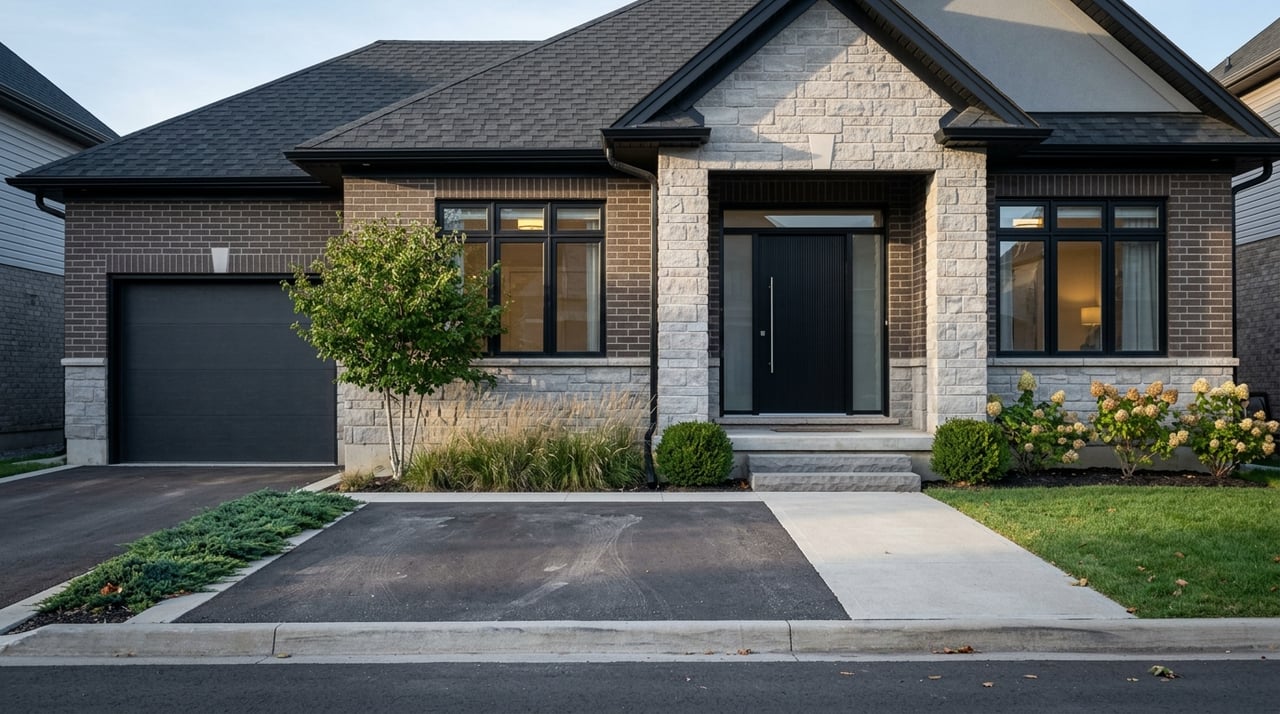
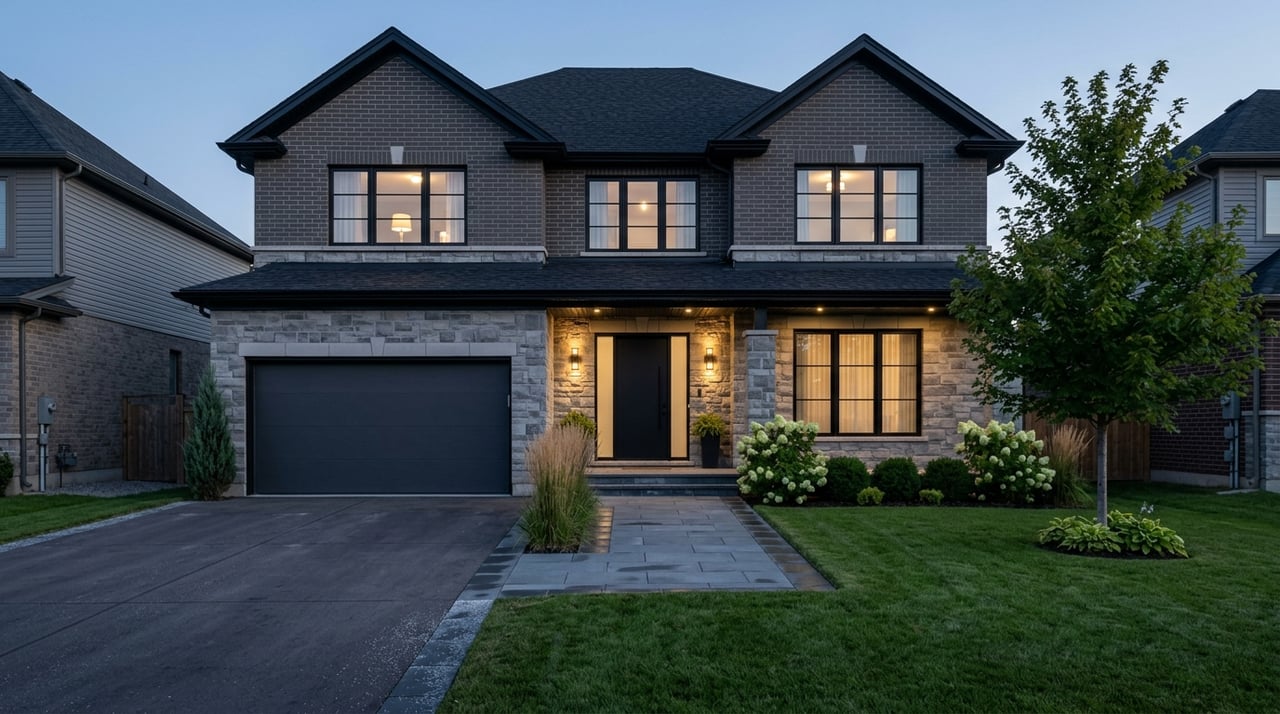
One of the biggest gains for downsizers is flexibility. In Durham, you are not boxed into one type of next home. You may be able to choose between a detached bungalow, a smaller two-storey home, a townhome, or a condo-style property depending on how much upkeep you want to keep.
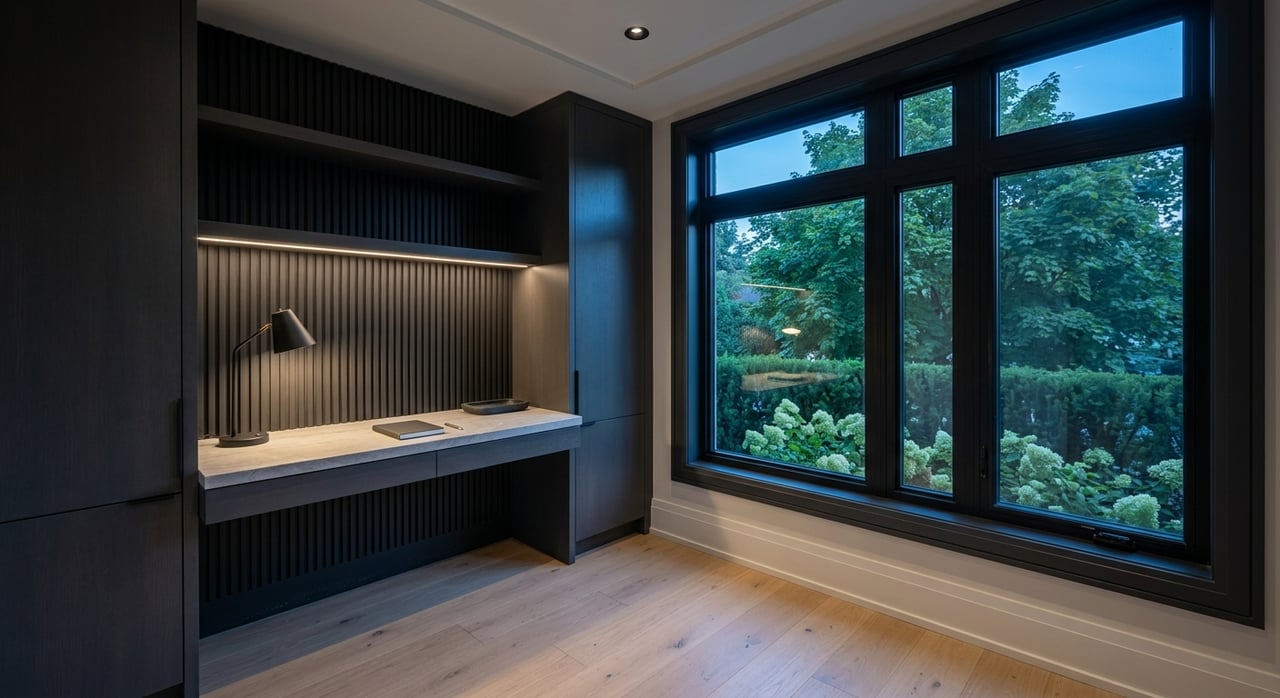
That matters if your goal is not to go as small as possible, but to go smarter. You might want less home to maintain while still having a guest room, a home office, or space for visiting family. Durham gives you more ways to make that transition on your own terms.
Easier access to outdoor living
For many Toronto homeowners, one of the most appealing parts of moving east is how easy it becomes to spend time outside. Durham communities offer strong waterfront and trail access, which can support a more active and flexible routine.
Whitby highlights a 13 km Waterfront Trail, Port Whitby Marina, Kiwanis Heydenshore Park, and more than 60 km of local trails. Ajax promotes six kilometres of parkland along Lake Ontario, more than seven kilometres of asphalt trail, and a waterfront trail network that connects into broader regional routes. Oshawa adds another 11 km waterfront trail, plus Lakeview Park, Lakeview Park Beach, Ed Broadbent Waterfront Park, and Second Marsh.
Clarington also leans into outdoor recreation, with more than 20 km of off-road recreational trails, many of them running through creek valleys and along the waterfront. If your ideal next chapter includes more walks, bike rides, and easy access to green space, Durham offers plenty of options.
A break from Toronto-only closing costs
There is also a practical financial benefit worth noting. In Ontario, buyers pay provincial land transfer tax. If you buy within the City of Toronto, you may also pay Toronto’s municipal land transfer tax.
That extra municipal tax does not apply when you buy in Durham. Depending on the purchase price, that can make a meaningful difference in your closing costs. For many downsizers selling in Toronto and buying east, this is one of the clearest line-item savings to factor into the move.
Durham is not one market
One of the biggest mistakes buyers make is thinking of Durham as a single destination. In reality, each community offers a different version of downsizing. The best fit depends on how you want to live, not just what kind of home you want to buy.
Below is a simple way to think about the four communities most often considered by Toronto downsizers.
Whitby: Waterfront and established charm
Whitby is a strong option if you want a suburban setting with established amenities and a clear waterfront identity. In the 2021 Census, 69.5% of occupied dwellings in Whitby were single-detached, which supports a broad low-rise housing mix.
The town also offers a blend of lifestyle features that appeal to many downsizers. Along with its waterfront and trail network, Whitby has a more developed downtown feel than many outer-suburban markets. The town says Downtown Whitby has more than 470 local businesses, while Downtown Brooklin offers a heritage-style main street with shops, restaurants, and historic buildings.
Whitby also highlights a dedicated 55+ Recreation Centre. If you are planning not just for your next move, but for the next decade or two, that kind of amenity may carry real value.
Who Whitby may suit best
Whitby may be a strong fit if you want:
- A balance of space and connectivity
- Waterfront access and trail use as part of daily life
- A more established suburban feel
- Rail-linked commuting options through Whitby GO
Ajax: Compact, active, and connected
Ajax offers a similar appeal, but with a slightly different feel. In the 2021 Census, 64.7% of occupied dwellings were single-detached, giving buyers a solid low-rise housing base while still keeping amenities close at hand.
The town has a notably active waterfront identity. Ajax says its waterfront includes six kilometres of parkland along Lake Ontario, more than seven kilometres of asphalt trail, and a public trail network that forms part of both the Waterfront Trail and the Trans-Canada Trail. It also promotes a 140 km cycling network.
Beyond the waterfront, Pickering Village adds a main-street setting with restaurants, shops, spas, salons, and other everyday services. For some downsizers, Ajax can feel like an amenity-rich suburban choice that keeps daily errands and recreation within easy reach.
Who Ajax may suit best
Ajax may make sense if you want:
- Strong waterfront access
- A connected suburban setting
- Detached-home options with nearby amenities
- GO access for trips into Toronto
Oshawa: More housing variety, more urban services
If you want the broadest mix of housing styles, Oshawa deserves a close look. In 2021, 55.5% of occupied dwellings were single-detached, and the city also had a meaningful apartment presence. That makes Oshawa a natural option for downsizers considering condo-style living, lower-maintenance homes, or a wider range of price points and layouts.
Oshawa also has the most urban feel of the four communities discussed here. Its downtown includes shops, cafes, bars, and restaurants, along with attractions such as The Robert McLaughlin Gallery, McLaughlin Public Library, and Tribute Communities Centre. For buyers who still want activity, services, and variety close by, that can be a real advantage.
The waterfront is another key part of the picture. Oshawa includes Lakeview Park, Lakeview Park Beach, Ed Broadbent Waterfront Park, Second Marsh, and an 11 km waterfront trail. You get a mix of city services and outdoor access in one place.
Who Oshawa may suit best
Oshawa may be right for you if you want:
- The widest mix of housing options
- More condo-style possibilities
- Urban services and cultural amenities
- GO rail service, plus VIA Rail access at Oshawa Station
Bowmanville and Clarington: Space and small-town feel
If your version of downsizing still includes a strong preference for space, Bowmanville may stand out. Located within Clarington, this area had the most detached-home-heavy profile of the four communities in the 2021 Census, with 77.7% of occupied dwellings being single-detached.
Clarington emphasizes outdoor recreation, including more than 20 km of off-road recreational trails. Municipal updates also note new trails on the former Bowmanville Zoo lands, and the South Bowmanville Recreation Centre is under construction, with Phase 1 set to open in 2026.
For many buyers, Bowmanville reads as the most small-town and space-oriented choice in this group. That is an inference based on its housing stock and current transit setup, but it fits how many buyers experience the area.
Who Bowmanville may suit best
Bowmanville may be a fit if you want:
- The highest share of detached housing among these options
- A more small-town atmosphere
- Strong trail access and growing recreation amenities
- Long-term upside tied to planned rail expansion
What commuting looks like today
If you still expect to travel into Toronto regularly, transit matters. Durham Region Transit says riders can connect to GO Lakeshore East service at Ajax Station, Oshawa Station, Pickering Station, and Whitby Station.
GO station information shows Whitby, Ajax, and Oshawa stations all offer DRT connections, staffed hours, bike racks, and free customer parking. Oshawa Station also connects to VIA Rail. For many downsizers, this means you can move east without cutting off access to Toronto.
Bowmanville works a bit differently today. Its current GO service is a bus park-and-ride with DRT connections and free parking. Metrolinx says the Bowmanville Extension will extend Lakeshore East nearly 20 kilometres to Bowmanville, and Durham Region says construction has already broken ground with four new stations planned.
Health care and long-term planning
Downsizing is often about future-proofing your life, not just reducing maintenance. That is why access to health care can be an important part of your search.
Lakeridge Health operates five hospitals across Ajax-Pickering, Bowmanville, Oshawa, Port Perry, and Whitby, along with four emergency departments and a broad range of specialty services. Its Oshawa Hospital is a full-service community hospital and home to a GAIN clinic for older adults with complex health concerns.
You may not be moving because of health care access, but for many buyers, it becomes an important part of feeling confident in a long-term move.
What Toronto downsizers really gain
When you step back, the appeal of moving east is not only about finding a cheaper home or a smaller place. It is about choosing a lifestyle that better matches this stage of life.
You may gain more choice in housing type, more outdoor space, more parking, and easier access to trails and waterfronts. You may also reduce some closing costs by buying outside Toronto and still keep a workable connection back into the city through existing rail service in Whitby, Ajax, and Oshawa.
Most importantly, you gain options. Durham gives you several different ways to downsize without forcing you into one narrow version of what that next move should look like.
If you are weighing a move from Toronto to Durham, the right plan starts with understanding which community best matches the way you want to live next. The McDougall Team can help you compare your options, understand the local market, and make your next move with confidence.
FAQs
What do Toronto downsizers gain by moving to Durham?
- Many downsizers gain more choice in low-rise housing, easier access to parking and outdoor space, more trails and waterfront amenities, and relief from Toronto’s municipal land transfer tax when buying outside the city.
Which Durham community is best for Toronto downsizers who want waterfront access?
- Whitby and Ajax are strong choices if waterfront access is a priority, with both communities offering Lake Ontario parkland, trails, and established outdoor amenities.
Which Durham community offers the most housing variety for downsizers?
- Oshawa offers the broadest housing mix of the four communities discussed here, including a meaningful apartment presence alongside detached homes.
Is Bowmanville a good choice for Toronto downsizers?
- Bowmanville can be a strong fit if you want more space, a smaller-town feel, strong trail access, and potential long-term benefit from future GO rail expansion.
Can you still commute to Toronto after moving to Durham?
- Yes. Whitby, Ajax, and Oshawa already connect to GO Lakeshore East rail service, while Bowmanville currently relies on bus park-and-ride service with future rail expansion planned.
Do Toronto downsizers save on land transfer tax by buying in Durham?
- Yes. Buyers in Durham pay Ontario land transfer tax, but they do not pay Toronto’s additional municipal land transfer tax, which applies only to purchases within the City of Toronto.