If your weekday routine depends on getting into Toronto without a long, stressful drive, living near Pickering GO Station can look like an easy win. The appeal is real, but so is the trade-off: you are often paying a premium for convenience, and the feel of one nearby street can be very different from the next. In this guide, you’ll learn what to expect from the area around Pickering GO, what kinds of homes are most common, and how to judge whether the location truly fits your lifestyle and budget. Let’s dive in.
Why Pickering GO draws buyers
Pickering GO Station sits at 1322 Bayly Street and serves the Lakeshore East line, which is a key corridor for Toronto-bound commuting from Durham Region. For many buyers, the draw is not just the train itself. It is the ability to combine rail service, local transit, parking, and pedestrian access in one place.
The station also offers practical day-to-day features that can make a real difference in your routine. GO lists bike racks, elevators, kiss and ride access, a waiting room, Wi-Fi, washrooms, and free customer parking. There are also about 2,758 parking spaces across the main lot, parking structure, and north lot, which adds flexibility if you drive part of the week.
Another reason this location stands out is the City’s long-term planning for the surrounding area. Pickering City Centre is described by the City as a major mobility centre and the planned civic core for future growth. That means buying nearby is not only about today’s commute, but also about owning in an area the City already sees as a major transit and intensification node.
What your commute may really look like
It is easy to assume that being near the station automatically means a simple, predictable trip every day. In practice, your experience depends on your exact route, your work schedule, and how you plan to get to and from the station. GO notes that train and bus schedules can change frequently, so it is smart to verify the trip you expect rather than rely on a general estimate.
For hybrid workers, this area can be especially practical. You may be able to walk on some days, drive on others, or combine local transit with rail service depending on weather, meetings, or family schedules. That kind of flexibility is often a major reason buyers focus on this part of Pickering.
If your main goal is reducing commute stress, look beyond distance alone. A home with a slightly longer walk may still feel easier to live in if it offers a better route, less traffic around the building, or a calmer street experience.
What homes near the station look like
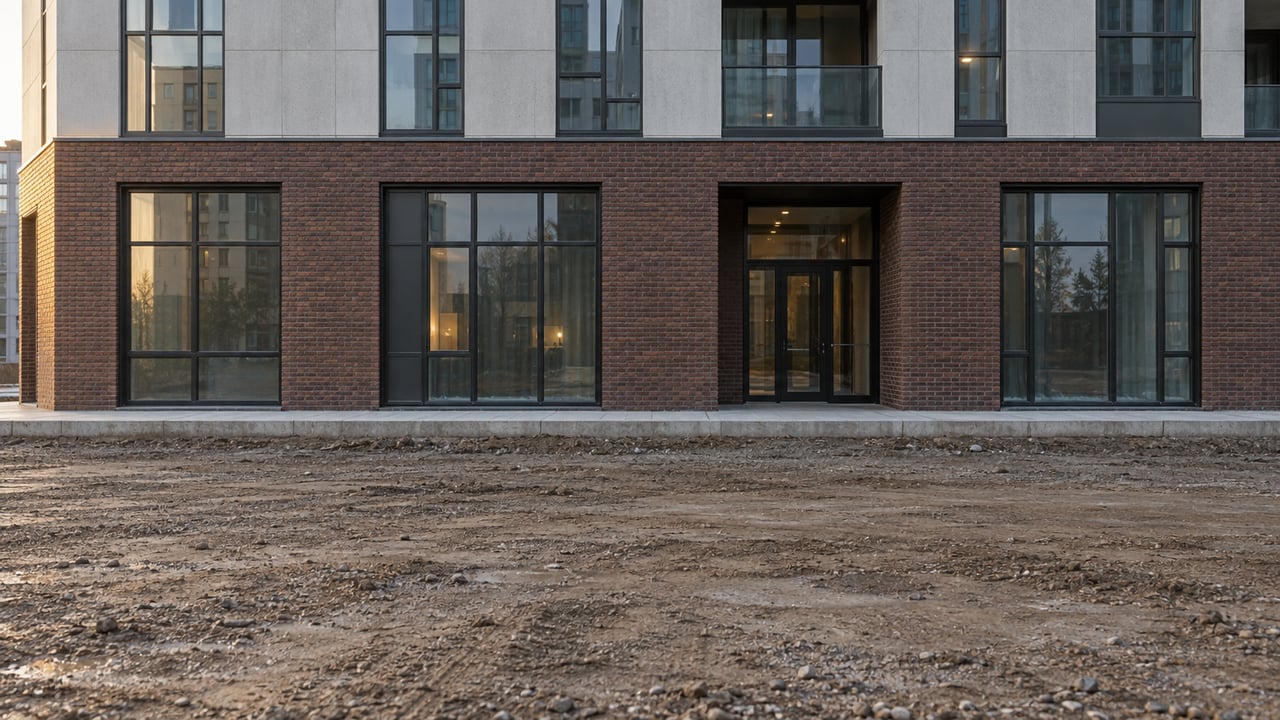
The housing mix around Pickering GO is shaped by the City Centre’s ongoing urbanization. The City’s vision for the area includes a new park, a 55-acre mixed-use community, more than ten mixed-use towers, and about 6,000 residential units. Because of that planning direction, the homes closest to the station tend to lean toward condos and other higher-density options.
That does not mean your choices stop there. The City’s planning documents place City Centre beside established areas such as Dunbarton, Bay Ridges, Liverpool, Village East, and West Shore. For buyers, that broader setting matters because it can open up more options if you want to stay near the station without being right in the middle of the most urban part of the area.
In simple terms, the closest homes often prioritize convenience first and space second. If you move a bit farther from the station core, you may find a different balance of lot size, privacy, and street feel. That can be important if you want commuter access but do not want every part of your purchase decision shaped by transit proximity.
How location changes block by block
When buyers search near a GO station, they sometimes treat the area like one uniform zone. It rarely works that way. A property facing tracks, a parking structure, or a busier access road can feel very different from a property tucked onto an interior street only a short distance away.
That is especially relevant at Pickering GO because the station combines several access patterns in one place. Free parking, reserved parking, kiss and ride activity, and Durham Region Transit connections can all concentrate vehicle movement around the station perimeter. Even if train access is the main benefit, nearby traffic patterns still shape day-to-day livability.
This is why a home one block away may feel materially different from another that is only slightly closer. When you tour properties, pay close attention to the immediate surroundings, not just the map pin.
Noise, traffic, and construction to consider
Living near transit can be convenient, but it also comes with trade-offs you should evaluate early. Metrolinx notes that construction noise and vibration can affect nearby residents, and that homes near rail lines, highways, and major roads may experience different baseline noise conditions. That matters around Pickering GO, where rail access and station traffic are part of the area’s appeal.
The City’s current redevelopment plans for City Centre add another layer. Major redevelopment can involve road closures, staging, dust, and formal noise exemptions. Pickering’s Noise By-law 8048/23 regulates construction hours and other noise sources, but temporary disruption can still shape your experience if your building or street is close to active projects.
Here are a few smart things to watch for when you shop nearby:
- Track-facing homes may have a different noise profile than homes on interior streets.
- Homes near parking structures or kiss and ride lanes may see more short-duration traffic during peak times.
- Properties close to active redevelopment areas may be affected by temporary construction activity.
- A slightly longer walk to the station may deliver a noticeably quieter setting.
None of this means the area is a poor choice. It simply means you should assess each property as a micro-location, not just as a station-area listing.
How to think about value and resale
Transit access often supports long-term buyer demand, but that does not mean every home near the station is automatically a strong value. CMHC notes that proximity to rapid transit is generally seen as a desirable amenity and can positively affect land values. It also notes that areas within 800 metres, or about a 10-minute walk, of a rapid transit station are ideal for transit-oriented development.
That same benefit can create a pricing premium. In some cases, the convenience is already fully reflected in the asking price. So while station proximity may help resale appeal over time, it is still important to ask whether the premium you are paying is justified by the specific property.
Pickering’s planning direction strengthens the long-term story. The City says its population is expected to exceed 150,000 by 2036, and City Centre planning is built around 10- and 20-year intensification, multimodal transportation needs, and the redevelopment of the mall lands into a denser downtown core. For many buyers, that supports the idea that transit-adjacent housing here should remain relevant over time.
How to avoid overpaying near Pickering GO
A smart purchase near the station is usually not about buying the closest home available. It is about understanding what the premium actually gets you and whether it matches how you will live. That is where careful comparisons matter most.
Use this simple filter when evaluating listings:
- Compare the home to similar properties just outside the 800-metre walk shed, not only to the nearest competing listing.
- Ask what the premium buys you: a shorter walk, easier station access, better long-term redevelopment upside, or simply the idea of being close to transit.
- If you are buying a condo, weigh maintenance fees, parking ownership, and unit exposure along with commute convenience.
- If you are buying freehold, compare the station premium against quieter streets, larger lots, and less day-to-day traffic farther from the core.
The strongest purchases are often the ones where you intentionally pay for the commute benefit because it clearly improves your life. If the premium does not solve a real problem for you, it may not be worth stretching for.
Who this location fits best
Buying near Pickering GO tends to make the most sense if you value Toronto access, transit flexibility, and future urban growth more than maximum lot size or a low-traffic setting. That could include professionals with hybrid work schedules, buyers who want several commuting options, or people who see long-term value in owning near a major mobility centre.
If your top priorities are a larger property, a quieter street, or more separation from traffic and redevelopment activity, a nearby residential pocket just outside the core may be a better fit. The good news is that you do not have to choose between all-or-nothing options. In this part of Pickering, small shifts in location can meaningfully change how a home lives.
A good buying strategy starts with clarity about what matters most to you. Once you know whether you are prioritizing speed, flexibility, space, or a calmer setting, it becomes much easier to spot the right opportunity and avoid paying for features you will not actually use.
If you’re weighing homes near Pickering GO Station and want a clear, local perspective on value, trade-offs, and resale potential, the McDougall Team can help you narrow your options and buy with confidence.
FAQs
Is buying near Pickering GO Station worth it for commuters?
- It can be, especially if you value flexible access to the Lakeshore East line, local transit connections, and a large station parking supply.
What types of homes are most common near Pickering GO Station?
- The closest housing stock tends to skew toward condos and other higher-density homes because of the City Centre’s long-term mixed-use and intensification plans.
Is the area around Pickering GO Station noisy?
- It can be, depending on the property’s exact location relative to rail lines, station access roads, parking areas, and nearby construction activity.
How close should you buy to Pickering GO Station?
- That depends on your priorities, but comparing homes within and just outside the roughly 800-metre transit walk shed can help you judge whether the premium makes sense.
Does living near Pickering GO Station help resale value?
- Transit proximity often supports buyer demand, but the premium may already be built into the price, so the better question is whether the specific home offers good value for its location.