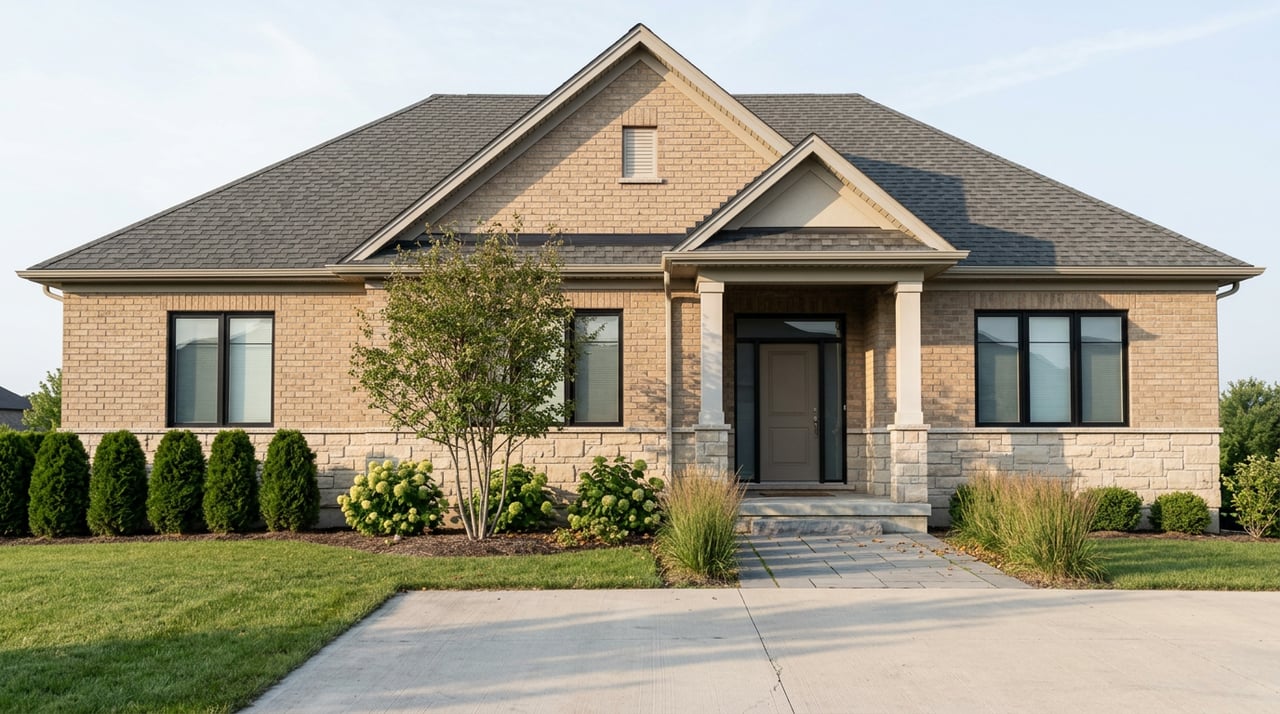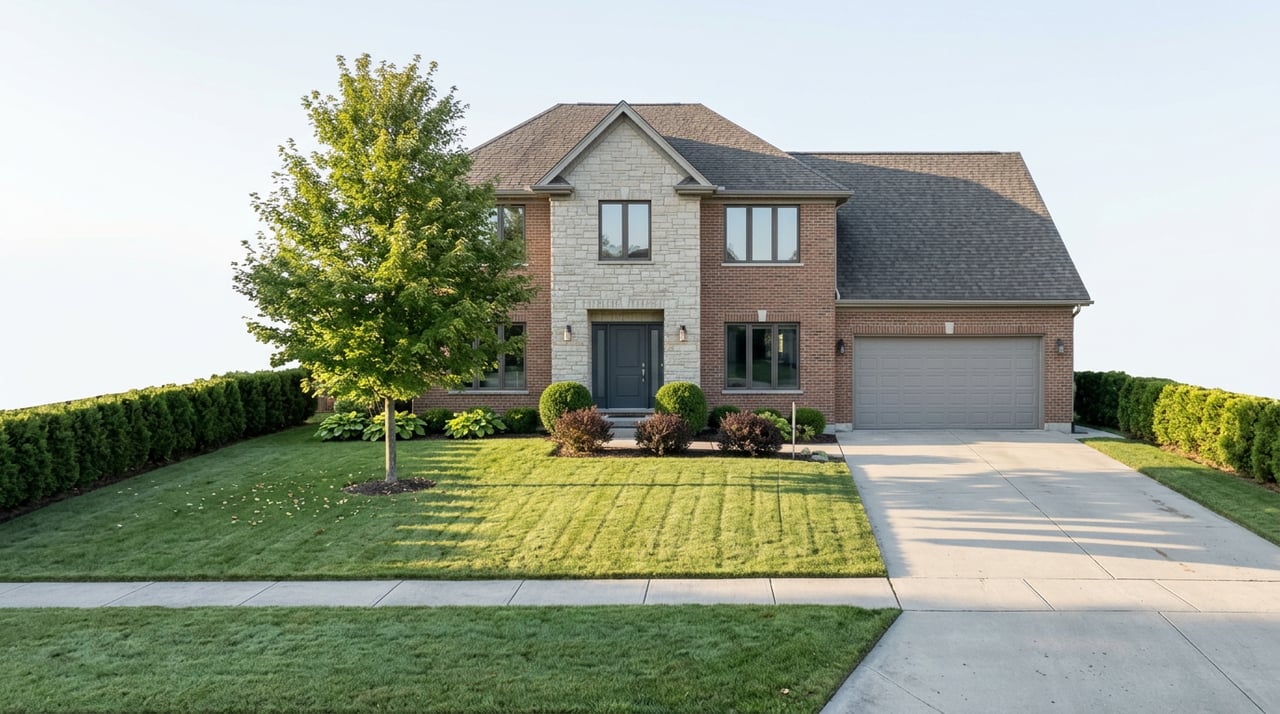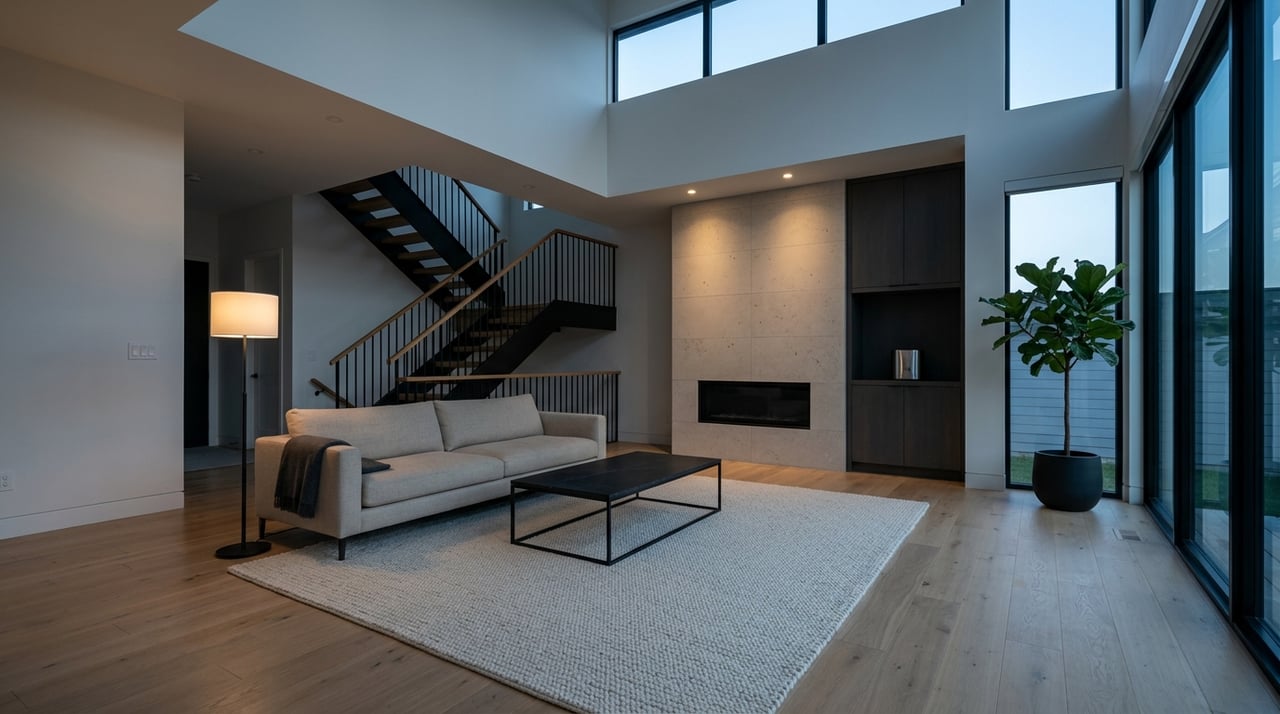
Feeling squeezed in your current home is one of the clearest signs that your next move may be less about want and more about timing. If your family needs another bedroom, a better layout, or more room to work and live comfortably, you are not alone in Courtice. The good news is that there are practical ways to tell whether upsizing makes sense now or whether waiting is the smarter move. Let’s dive in.
Why upsizing is on more radars
Courtice sits within Clarington, a municipality that had 101,427 residents in the 2021 Census. Clarington also had an average household size of 2.8, along with 12,665 married-couple families with children. Those numbers help explain why many local homeowners eventually outgrow their first or second home.
This is also a long-term growth story, not just a short market cycle. Clarington’s Strategic Plan forecasts growth from about 105,000 people to 221,000 by 2051. In simple terms, more households and changing family needs are likely to keep move-up demand relevant in Courtice for years to come.
Know the signs you need more space
Upsizing usually becomes the right conversation when your current home no longer fits your daily life. That could mean too few bedrooms, limited storage, no dedicated office, or a layout that feels tight as your household changes. Sometimes the biggest issue is not square footage alone, but how well your home functions.
You may also be ready to upsize if your current home still has strong appeal to other buyers while your next purchase is still within reach. In a growing area like Courtice, that combination can create a real window of opportunity. The key is making sure your lifestyle need and your financial position line up.
Focus on three pillars first
The clearest signal to upsize in Courtice is when space needs, equity, and inventory all line up. If one of those pillars is weak, the move can become much riskier. Looking at all three together gives you a more realistic answer than watching headlines alone.
Here is the simple framework:
- Space needs: Your current home no longer works for how you live.
- Equity: Your existing home can help fund the next down payment and moving costs.
- Inventory: There are suitable larger homes available, and you are ready to act when one appears.
Check your equity before you shop
For most move-up buyers, equity is what makes the next purchase possible. It often helps cover the down payment on the larger home, and it can also help with the extra costs that come with moving. If your plan depends heavily on the sale of your current home, that should shape your timeline.
This is where many homeowners make a common mistake. They focus on the sticker price of the next home but underestimate the total cash needed to close. Before you start touring larger properties in Courtice, it helps to understand your available equity and what your comfort level looks like under conservative numbers.
Understand Ontario closing costs
One of the biggest closing costs in Ontario is land transfer tax. For most resale homes, Ontario uses a progressive structure: 0.5% up to $55,000, 1.0% from $55,000 to $250,000, 1.5% from $250,000 to $400,000, 2.0% above $400,000, and 2.5% above $2 million for one- or two-family residences.
That adds up quickly on a move-up purchase. On an $800,000 resale home, the provincial land transfer tax is about $12,475 before rebates or other closing costs. Buyers in Clarington do not pay Toronto’s municipal land transfer tax, but newly constructed or substantially renovated homes may also involve HST, with a provincial rebate of up to $24,000 on qualifying new homes.
Weigh resale versus new-build costs
Some Courtice buyers look at future housing plans and assume a new-build move-up home may be the easiest option. Long term, local planning does point to more housing variety. The Courtice Main Street Secondary Plan covers about 81 hectares along Durham Highway 2 and is intended to support a mixed-use, transit-oriented town centre with roughly 2,000 residential units over time.
The approved Courtice Waterfront Secondary Plan adds another long-range pipeline of about 2,500 units for roughly 4,800 residents, including detached homes, townhouses, mid-rise apartments, and mixed-use buildings. That said, these are long-term approvals, not immediate relief for a family that needs more room now. If you need to upsize soon, today’s resale market may still be your most realistic path.
Read the current Courtice market carefully
Timing your move-up purchase is not only about mortgage rates or broad headlines. It is also about how much choice you actually have when you start shopping for a bigger home. In April 2026, Clarington was sitting at about 3.0 months of inventory, about 40 days on market, and homes were selling at about 98% of asking.
That points to a market where buyers still have some room to negotiate, but not endless choice. If the right larger home hits the market, you may still need to move decisively. That matters even more for buyers looking for family-sized detached homes or townhouses.
What broader market trends mean
TRREB reported that GTA home sales rose 7% year over year in April 2026 while new listings fell 9.3%. At the same time, the average GTA selling price was down 4.9% year over year. That mix suggests firmer activity and some tighter conditions in certain areas, while still leaving buyers some negotiating power.
CMHC’s 2026 outlook adds another useful point for Courtice move-up buyers. Family-sized homes are expected to remain relatively more stable, and Ontario housing starts are expected to decline through 2026 to 2028, with ground-oriented starts recovering later. For you, that may mean resale detached and townhouse options could stay somewhat limited even if the broader market feels softer than past peak years.
Decide whether to sell first
If your next purchase depends on the equity in your current home, selling first is usually the lower-risk approach. It gives you a firmer budget, more certainty around your down payment, and a clearer understanding of your monthly costs. It can also reduce stress because you are making decisions with real numbers instead of estimates.
Selling first may be especially wise if you need the proceeds from your current home to qualify comfortably for the next one. In that case, the goal is not just to buy bigger. It is to buy bigger without stretching your finances too thin.
When buying first can work
Buying first can make sense if you have strong equity, mortgage approval, and enough cash reserves to handle a short overlap in expenses. This option can be attractive when suitable move-up inventory is limited and you do not want to miss the right property. But it works best when your finances can absorb some uncertainty.
If your current home has not closed before your new purchase, bridge financing is the standard short-term solution. Lenders typically use it to help cover the gap until your existing home sale closes, and approval usually depends on having a firm sale agreement in place. The practical takeaway is simple: buying first is safest when your household can handle overlap costs without pressure.
Ask these questions before upsizing
Before you make a move, ask yourself:
- Do you truly need more space now, or would a renovation or reconfiguration solve the problem?
- How much equity will your current home likely contribute after selling costs and closing costs?
- Can you comfortably carry the larger mortgage on conservative assumptions?
- Would selling first reduce risk for your household?
- If you buy first, do you have enough flexibility for bridge financing and temporary overlap?
- Are you prepared to act quickly if the right Courtice home becomes available?
If your answers are clear and confident, upsizing may be financially defensible. If one or more answers feel shaky, waiting or selling first is often the smarter path.
Why strategy matters in a move-up sale
Upsizing is really two transactions that need to work together. You want to sell your current home strongly while also negotiating well on the purchase side. That takes planning, timing, and a clear view of what your home can likely achieve in today’s Durham Region market.
This is where a process-driven approach matters. With a move-up sale, pricing, presentation, and exposure can directly affect how much flexibility you have on the buy side. A well-managed plan helps you protect equity, reduce timing surprises, and move with more confidence.
If you are weighing a bigger home in Courtice, the smartest next step is to understand your current home’s value, your likely net proceeds, and the type of move-up options your budget can realistically support. The McDougall Team can help you map out both sides of the move with a clear, data-driven strategy.
FAQs
When is the best time to upsize your home in Courtice?
- The best time to upsize in Courtice is when your space needs, available equity, and local inventory all line up, and you can comfortably handle the larger mortgage and closing costs.
Should you sell your current home before buying a larger home in Courtice?
- If your next purchase depends on the equity from your current home, selling first is usually the lower-risk option because it gives you a firm budget and reduces financial uncertainty.
How much is Ontario land transfer tax on a move-up home?
- Ontario land transfer tax is progressive, and on an $800,000 resale purchase it is about $12,475 before any rebates or other closing costs.
Is Courtice a good place for a move-up home purchase?
- Courtice is part of a growing Clarington market, and long-term local planning points to continued housing growth, but current family-sized inventory may still feel limited in the near term.
Can you buy a bigger home in Courtice before your current home sells?
- Yes, but it is usually safest when you have strong equity, mortgage approval, enough cash reserves for overlap costs, and access to bridge financing if needed.