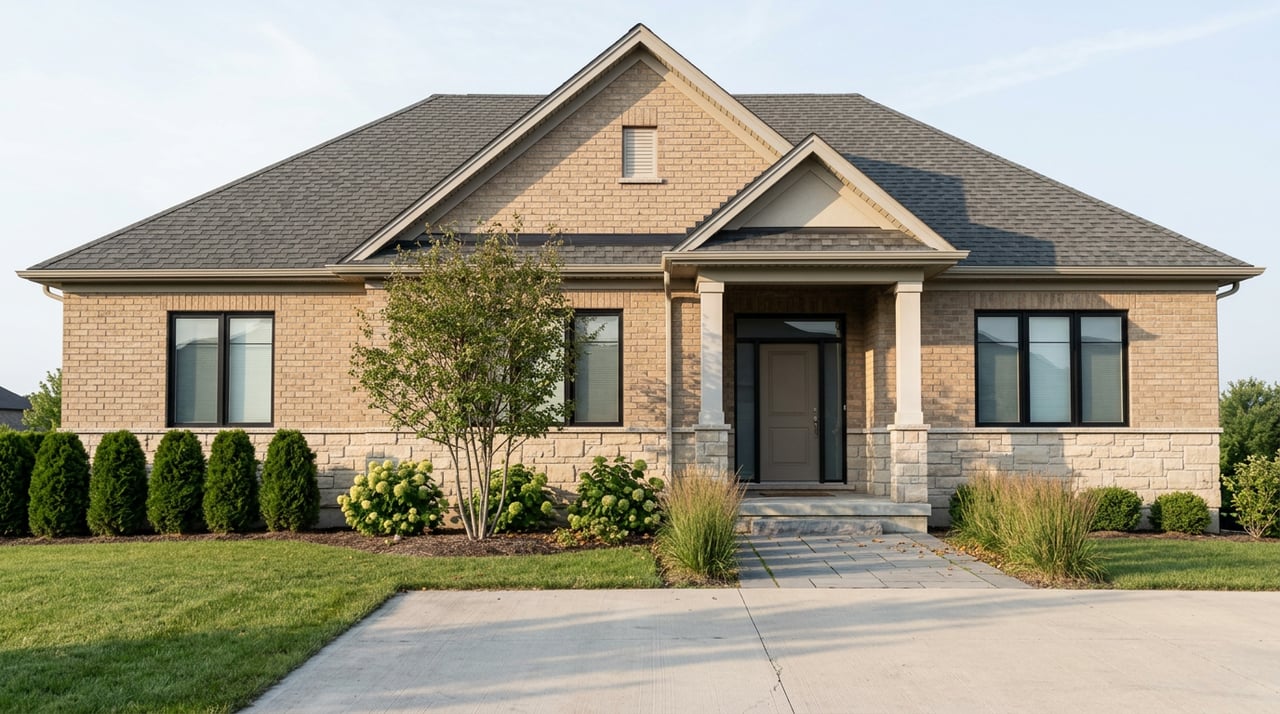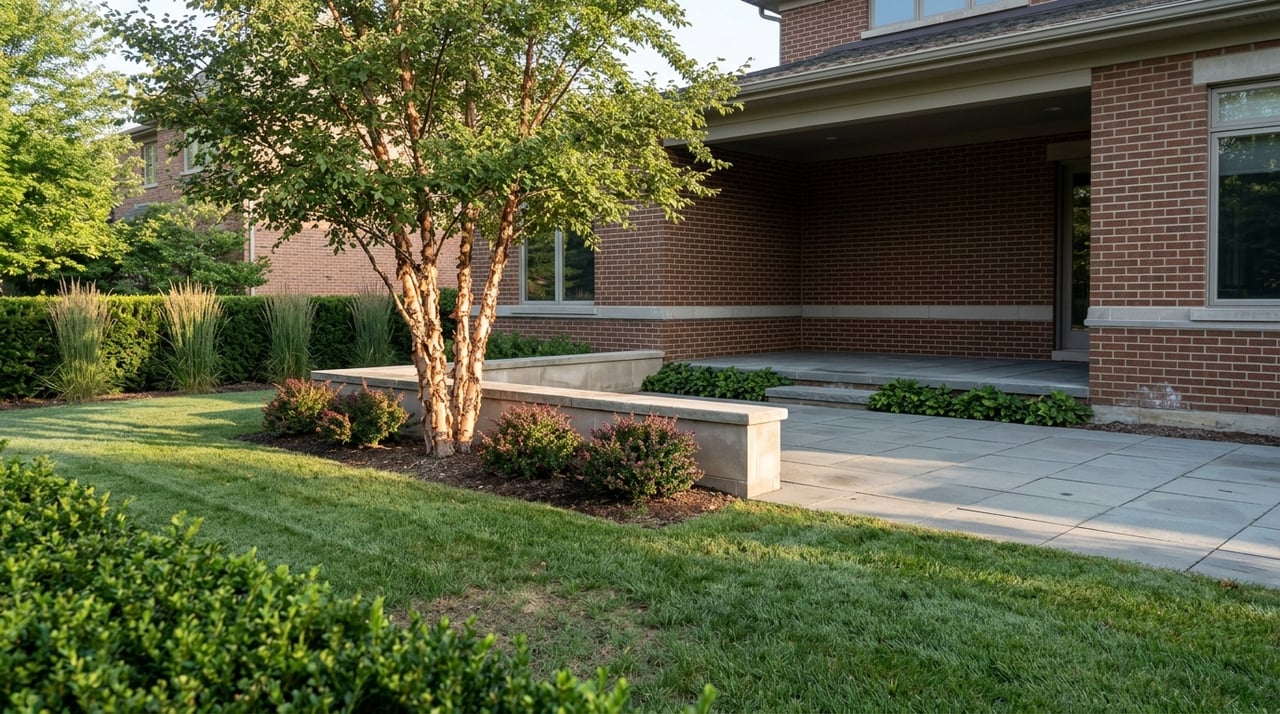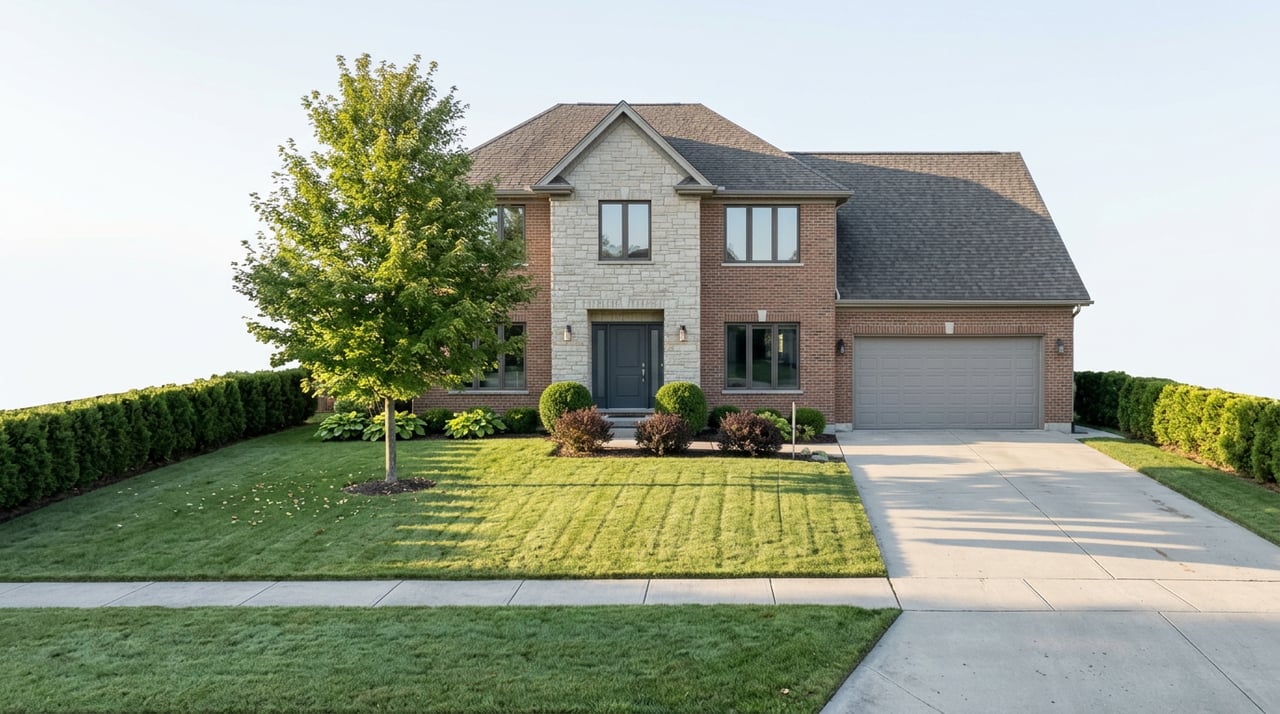
An accepted offer on an older Ajax home usually clears the two hurdles everyone expects: the home inspection comes back manageable, and financing looks straightforward. Then the insurance broker asks a question nobody budgeted time for: what year was the wiring installed, and is it copper or aluminum? For a home built between roughly 1965 and 1975, that single question can decide whether the deal closes on schedule or gets renegotiated in its final week, because a lender will not fund a purchase the buyer cannot insure.
That is the piece of the story that "older home" hides. Two Ajax properties can both be marketed as vintage character homes and sit five minutes apart, yet carry completely different underwriting conversations depending on which decade actually put the wiring in the walls. One conversation is routine. The other can add thousands of dollars and several weeks to a closing that looked simple on paper.
"Older" Is Doing Too Much Work on an Ajax Listing Sheet
Ajax has never developed on a single timeline. The town grew out of a Second World War munitions operation, filled in through several distinct building booms over the following four decades, and absorbed an older village core along the way. A buyer touring homes in Ajax this fall could see a modest post-war cottage, a 1970s townhouse, and an early-1980s executive home on Lake Driveway in the same afternoon, all described with some version of the word "established."
Insurers do not use that word. They use build year, and for one specific decade, build year is the whole conversation. Homes built across Canada roughly between 1965 and 1975, during a copper price spike, were commonly wired with aluminum branch circuits instead of copper. That decade sits inside Ajax's own building boom, which means a meaningful share of the town's mid-century housing stock falls directly inside the window insurers now flag by default.
Why the Window Is So Narrow
Aluminum wiring itself is not automatically dangerous, and Ontario's Electrical Safety Authority has never required blanket removal just because a home has it. The risk sits at the connection points: aluminum expands and contracts more than copper with temperature changes, which can loosen a connection at an outlet or switch over years of ordinary use, and a loosened connection generates heat. Ontario insurers treat that risk category seriously enough that a homeowner applying for new coverage may find some companies simply will not write a policy on unmanaged aluminum wiring, while others will insure it but decline to renew later, add conditions, or raise the premium.
Most people discover this the way real estate deals actually unfold: when they go to sell, when they refinance, or when a renewal notice arrives and the insurer asks a question the original owner never had to answer. It rarely comes up when nothing is happening. It comes up exactly when something is.
Four Ajax Build Eras, Four Different Conversations
Because Ajax grew in distinct waves rather than one continuous sprawl, the aluminum-wiring conversation does not apply evenly across town. Knowing which era a specific pocket belongs to tells you which conversation you are actually walking into.
The Veterans Village core, built in the 1940s. These are Victory Homes, part of the wartime housing program that grew up around the Defence Industries Limited munitions plant that gave the town its start. They predate aluminum branch wiring entirely, so that specific risk is not the question here. The relevant history is different: Victory Homes across Canada were originally built without basements or furnaces, and decades of additions and renovations mean the inspection conversation on these lots is about how much of the 1940s structure survives inside a house that has been expanded multiple times since.
Central and downtown Ajax, largely built through the 1970s. Wikipedia's history of the town notes that the 1970s brought the first wave of new subdivisions spreading over vacant land in central Ajax. This is the stretch that lands squarely inside the aluminum-wiring window. A buyer or seller working with a home from this era should treat the wiring question as a default item to raise early, not a surprise to react to later.
Westney Heights and the Lake Driveway executive homes, built in the early 1980s. Wikipedia's account of Ajax's growth places Westney Heights' development north of Highway 2 in the early 1980s, during a stretch when mortgage rates sat at 18 to 20 percent, with large upscale homes rising along Lake Driveway in the same period. Aluminum branch wiring had largely been phased out by the mid-1970s, so homes from this later wave generally sit outside the highest-risk window, even though they now carry their own age-related maintenance list.
The Pickering Village heritage core, rooted in the 1800s. This older village center along Church Street and Old Kingston Road predates the town of Ajax itself. The Town of Ajax's own heritage inventory lists a home on Church Street dating to 1880 and a general store that opened on Old Kingston Road in 1857, decades before the area was folded into Ajax when the town's boundaries expanded in 1974. Wiring this old predates aluminum branch circuits entirely, and raises a different question for an insurer: whether any knob-and-tube wiring remains active behind the walls, which is its own conversation with its own remediation path.
What Fixing It Actually Costs
If an inspection or an insurance application does turn up aluminum branch wiring, the fix is rarely a full teardown. The Electrical Safety Authority recognizes two accepted remediation paths. Pigtailing connects a short length of copper wire to each aluminum wire termination using an approved connector and an anti-oxidant compound, which addresses the actual risk point without opening every wall. Full replacement removes the aluminum entirely.
Durham-region electricians who publish their own pricing put pigtailing on a typical home in the $1,500 to $4,500 range as of 2026, with full replacement running from roughly $8,000 up toward $15,000 or more depending on the size and layout of the house. Once the work is done, the electrician pulls an ESA permit and provides a Certificate of Inspection, which is the document an insurer actually wants to see before adjusting a policy or issuing new coverage.
When to Ask the Question
The mistake is not discovering aluminum wiring. The mistake is discovering it after conditions have already been removed. A buyer looking at a central Ajax home from the 1970s can call an insurance broker with the build year before the offer is even written and get a straight answer about what that specific insurer would require. That single call, made early, turns a possible late-stage scramble into a line item that gets priced into the offer from the start.
What This Means If You're the One Selling
If you own a home in that 1965 to 1975 window and expect to list it, the smartest move happens before a buyer's inspector ever opens your panel. Having the wiring assessed and, if needed, pigtailed or replaced ahead of listing means you walk into every showing with an ESA certificate in hand rather than a negotiation ahead of you. That kind of documentation does the same job good listing photography does: it answers the buyer's question before they have to ask it, and it keeps a strong offer from stalling over something that could have been resolved months earlier.
Frequently Asked Questions
Does finding aluminum wiring mean the whole house needs to be rewired? Not necessarily. Pigtailing addresses the connection points where the actual risk lives and is accepted by most Ontario insurers with proper documentation. Full replacement is a larger investment usually reserved for wiring already showing damage or for owners planning major renovations anyway.
Will a standard home inspection always catch it? An inspector can note visible signs and panel markings, but confirming the full extent typically requires a licensed electrician to open outlets and junction boxes. If you are buying a home built in the 1965 to 1975 range, it is worth asking specifically rather than assuming a general inspection covered it.
Does any of this apply to homes built outside that window? Homes from the 1940s or the 1800s carry their own age-related questions, just different ones, ranging from original structural changes to potential knob-and-tube remnants. Homes from the early 1980s generally sit past the aluminum-wiring era entirely. The build year, not a general sense of "old," is what tells you which conversation applies.
Buying or selling an older home in Ajax comes with real questions that a listing photo cannot answer. If you want a team that knows which decade raises which question and can get ahead of it before it becomes a closing-week problem, reach out to Michael McDougall and get your free home valuation.